
Goretti is a historic family-owned winery rooted in the rolling hills of Umbria, just outside Perugia, where four generations of the Goretti family have dedicated themselves to crafting expressive wines that celebrate the heart of central Italy’s vinicultural heritage. Founded in the early 1900s, the estate has grown steadily while maintaining its deep connection to the land, traditions, and family ethos that define Umbrian wine culture. Situated among fertile hillside vineyards in both the Colli Perugini DOC and Montefalco DOCG appellations, Cantine Goretti honors the region’s great indigenous grapes — notably Sagrantino, the powerful, ageworthy red of Montefalco — alongside classic Umbrian varieties such as Grechetto, Sangiovese, Pinot Grigio, and Chardonnay. The winery’s portfolio spans reds, whites, rosés, sparkling wines, and dessert wines, each crafted to balance tradition with thoughtful innovation. Cantine Goretti’s estate is anchored by a striking 12th-century tower, an emblem of the winery that stands watch over the vineyards and symbolizes the family’s long history and enduring presence in the region. Over the years, the winery has embraced modern sustainability practices — from renewable energy investments to careful vineyard management — while preserving the essence of classic Umbrian winemaking. Today, the fourth generation of the family continues to steward the vineyards and cellar with the same passion passed down through decades. Their wines are admired for their clarity of fruit, structural balance, and authentic representation of Umbria’s terroir — from vibrant Colli Perugini whites to the structured, ageworthy reds that honor Montefalco’s winemaking legacy. Goretti stands as a testament to a century-long commitment to quality, family heritage, and the expressive power of Umbrian wine.
Producers
Ariano
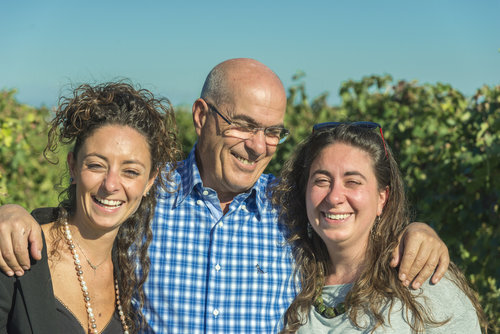
Cantina Ariano is a family-owned winery rooted in the rich agricultural traditions of San Severo in Puglia, Italy, where sun-drenched vineyards meet the iconic landscapes of the Tavoliere plains and the Gargano hills. The estate is deeply committed to sustainable viticulture and organic farming, honoring the land, its heritage and authentic Puglian wine culture. The winery traces its origins to the historic Ariano farm, which Attilio Ariano inherited and — since 1997 — has been managed using certified organic methods that nurture the soil, vines and surrounding environment. In 2005, the estate expanded with a modern production facility that blends respect for tradition with careful, contemporary winemaking. Today, the winery’s work is led by the next generation: Federica Ariano and Aldo Avello oversee technical and production operations, while Manuela Ariano and Omar Leonardi drive commercial and marketing efforts, bringing Cantina Ariano’s wines to broader audiences. Ariano’s portfolio spans lively whites, elegant rosés and vibrant reds that reflect Puglia’s vinous diversity. All wines are crafted to highlight clean fruit expression, balanced structure and the region’s unmistakable Mediterranean character. Many are certified organic and celebrated for quality that extends well beyond their everyday accessibility. With a philosophy centered on respect for nature, sustainable agriculture and authentic expression of terroir, Cantina Ariano creates wines that are both approachable and deeply rooted in one of Italy’s most compelling wine regions.
View Wines
Bonfadini
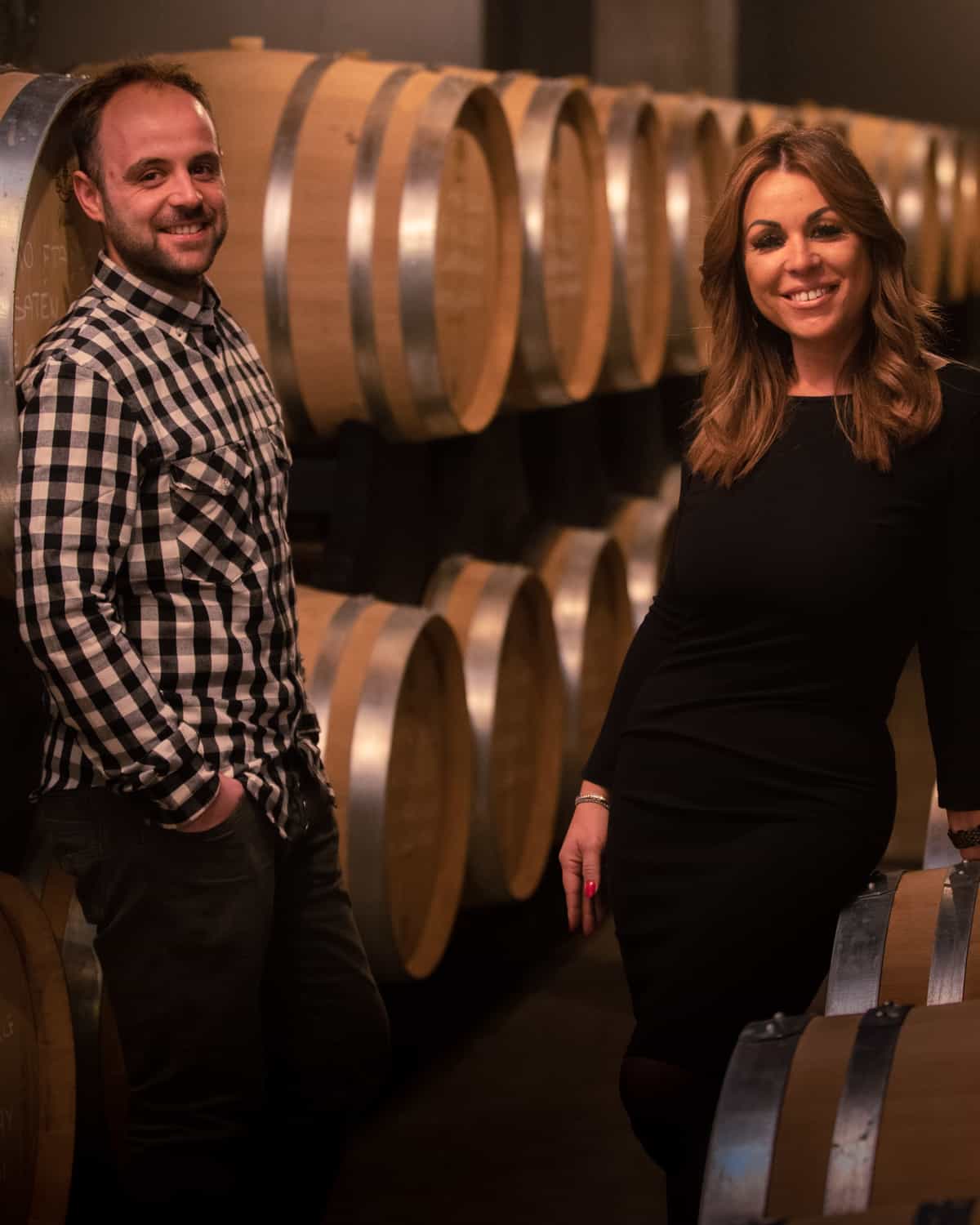
Bonfadini Franciacorta is a family-rooted sparkling wine producer crafting expressive Franciacorta DOCG from the rolling hills near Lake Iseo in Lombardy, Italy. The estate embodies Italian tradition, precision in the vineyard, and dedication to the classic method of sparkling winemaking that has made Franciacorta one of the world’s most respected sparkling wine regions outside Champagne. The story of Bonfadini began in 1956, when Giovanni Bonfadini established the family’s agricultural roots as a dedicated grape grower in Franciacorta. His son Graziano continued the farming tradition beginning in 1993 — initially selling grapes to larger producers while nurturing a dream of creating wines under the family name. In 2007, Graziano’s daughter Francesca brought that dream to life by beginning to vinify their own fruit, culminating in the release of their first Franciacorta DOCG, Bonfadini Nobilium Brut, in 2010. With the addition of Andrea Bonfadini and winemaker Gianni Gasperi, the cellar gained both technical expertise and a clear stylistic identity. Today, Bonfadini produces a range of Franciacorta, all crafted with meticulous attention to detail and a focus on balance, purity of fruit, and lively effervescence. Their wines have earned accolades and strong recognition both in Italy and abroad, while the winery continues to grow thoughtfully, managing their vineyards directly and crafting wines that showcase the region’s unique terroir. The Bonfadini estate remains proudly family-operated, combining multi-generational passion with contemporary vision. Each bottle of Bonfadini Franciacorta expresses a sincere commitment to tradition, quality, and the vibrant spirit of Lombardy’s sparkling wine heritage.
View Wines
Ghiga
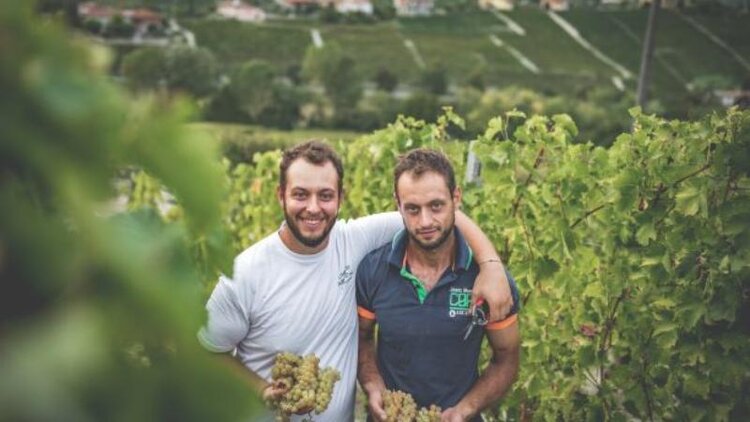
In the rolling hills of Castiglione Tinella in Piedmont, the Ghiga family has nurtured vineyards and crafted wine with passion and purpose for over 50 years. What began in the early 1970s with Mario Ghiga’s dedication to growing grapes for the region quickly blossomed into a full-fledged family winery. Initially supplying fruit to others, Mario planted Moscato, Barbera, and Dolcetto vineyards on the family’s sun-drenched hillsides — soils and climate ideally suited to these classic Piedmontese varieties. In 2009, Ghiga took a defining step forward when Mario’s grandsons, Enrico and Davide Ghiga, chose to produce wine under their own family name. Guided by generational know-how and formal training in viticulture and enology, they modernized the cellar while maintaining a deep respect for traditional practices. Today, Enrico and Davide, along with their mother, Angela, and uncle, Giovanni, oversee all aspects of the estate — from vineyard care to winemaking and commercial outreach — preserving the family’s legacy with every vintage. Ghiga’s portfolio reflects the diversity of Piedmont’s terroir and the family’s commitment to quality and authenticity. Rooted in tradition yet crafted for today’s wine lovers, Ghiga continues to honor its heritage — offering expressive, approachable wines that celebrate Piedmont’s richness and the enduring spirit of a family devoted to the vine.
View Wines
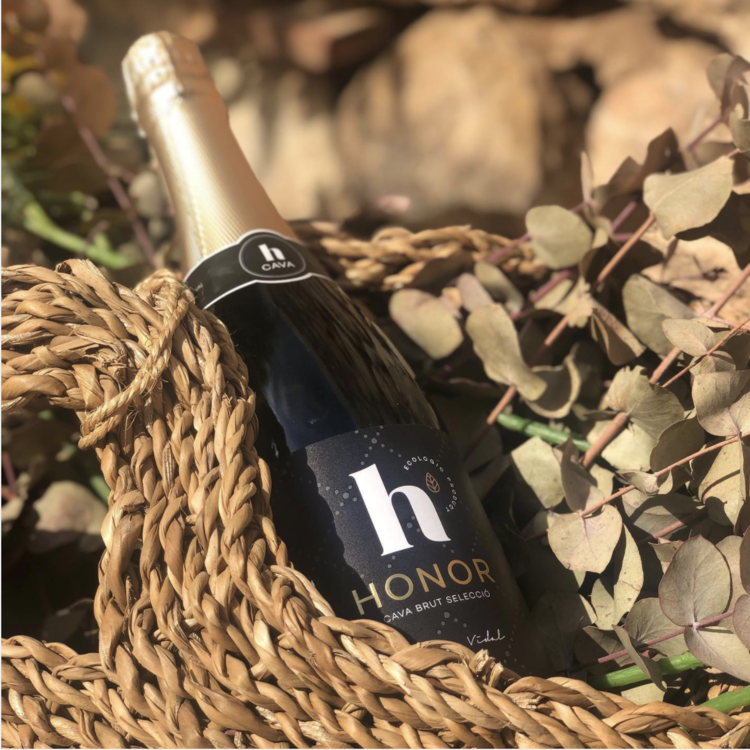
Honor
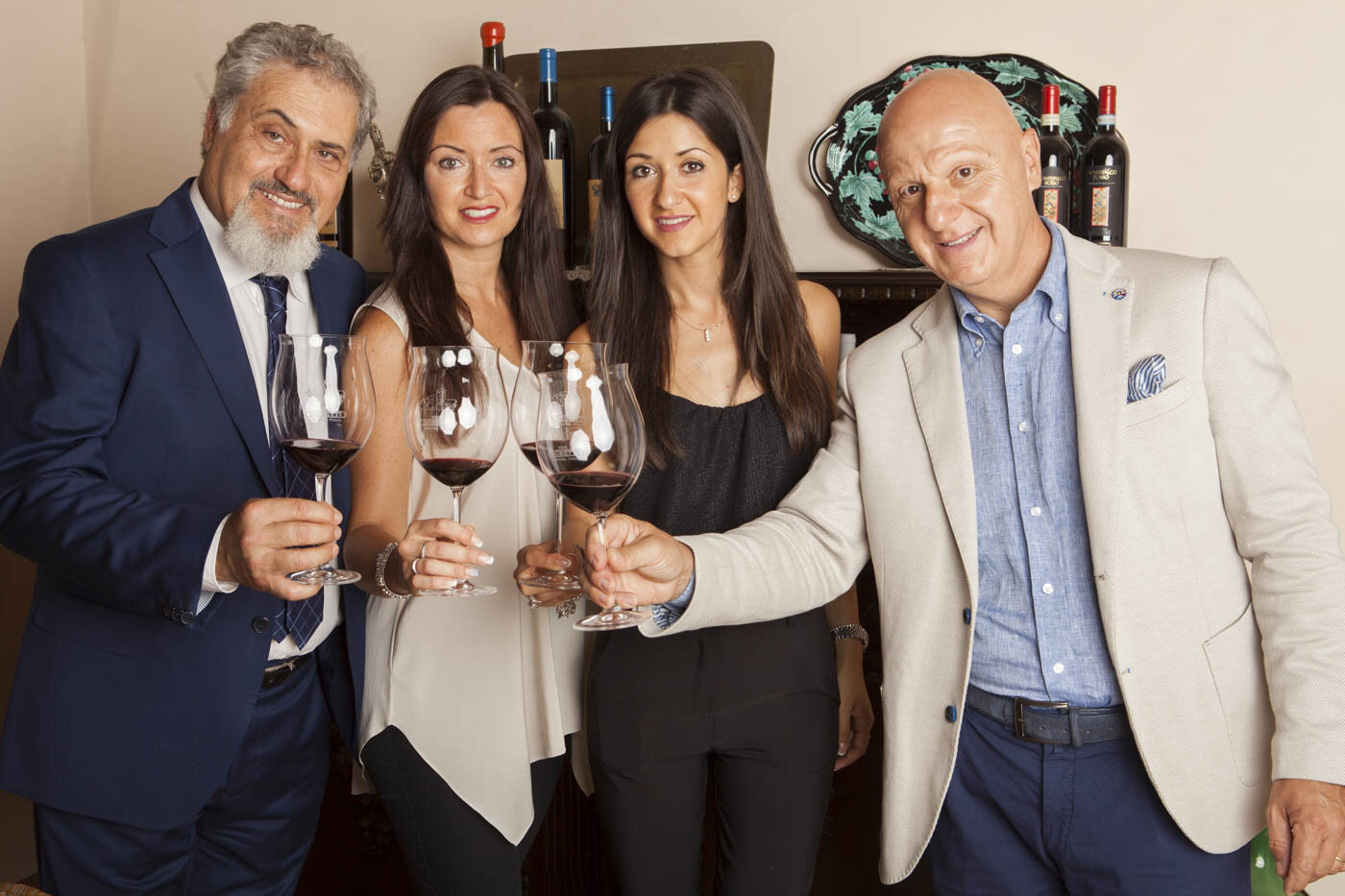
Celler Jan Vidal produces the Honor Cava brand. They are located in the heart of the Penedès area, near Barcelona, Spain. The winery was established in in 1970 and produces a selection of Cavas . Cava (kah-vah) is the name of a category of sparkling wines made in the traditional or Champagne method from Spain. Their motto is Tradition, Culture, Elegance. Quality is the family’s main focus with sustainable viticultural practices and hand selected grapes. They honor tradition by working with indigenous grape varieties to produce unique sparkling wines.
View Wines
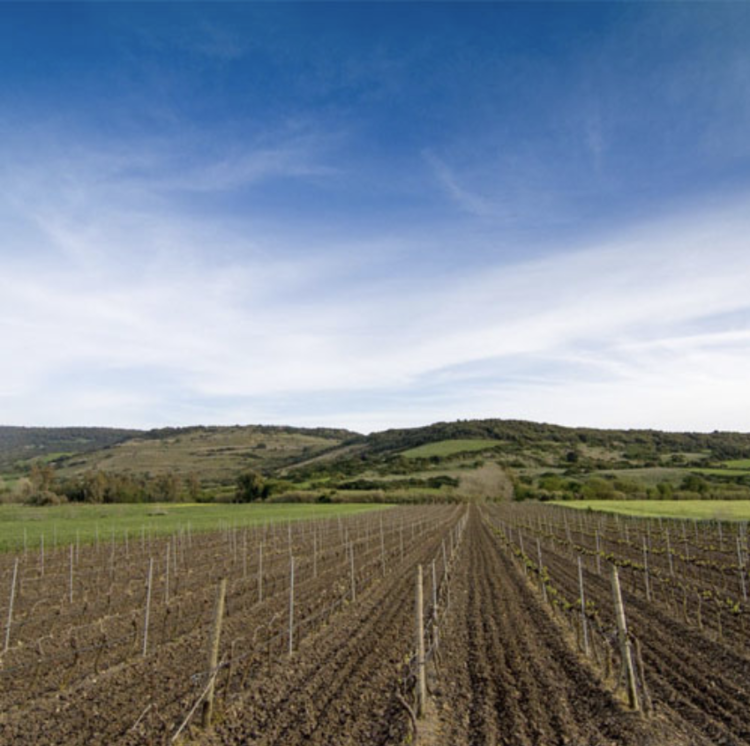
Mogoro
Cantina di Mogoro was founded in 1957 and is located on the island of Sardinia, in the province of Oristano. Their wines are exported and appreciated worldwide. The area of Mogoro is renowned for the production of unique varietal strongly linked to the territory, like Bovale, Vermentino, and Cannonau. Four hundred and fifty hectares of vineyards are cleverly worked following both traditional and modern techniques in order to produce excellent wines that, over the years, have become special ambassadors of Sardinia.
View Wines
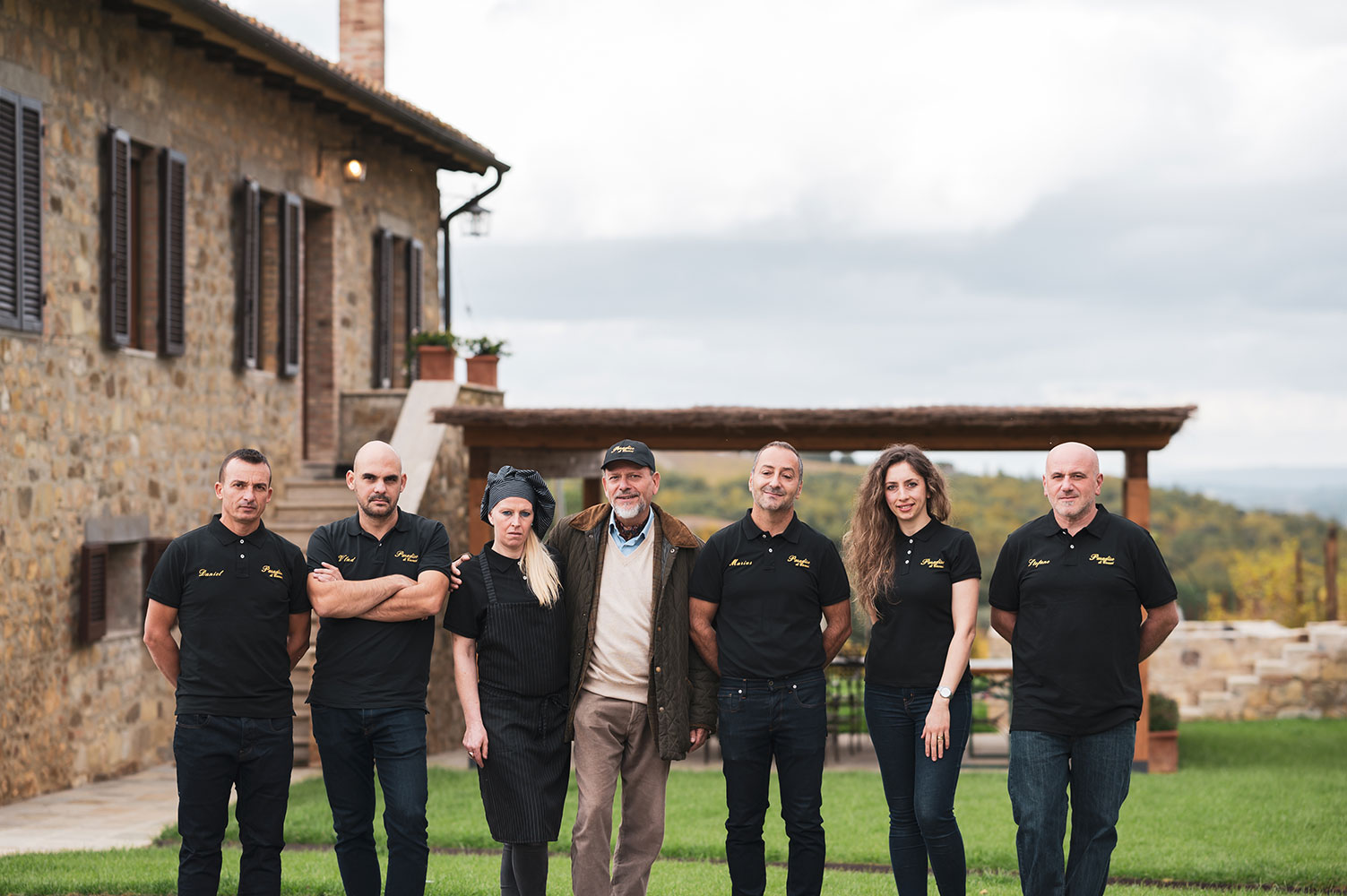
Paradiso di Cacuci
Located in the storied hills of Montalcino in Tuscany, Paradiso di Cacuci is a distinguished estate crafting expressive, traditional Sangiovese wines that reflect the elegance and historic character of one of Italy’s most revered aLocated in the storied hills of Montalcino in Tuscany, Paradiso di Cacuci is a distinguished estate crafting expressive, traditional Sangiovese wines that reflect the elegance and historic character of one of Italy’s most revered appellations. The estate sits in the northwestern stretch of the Montalcino zone near Montosoli, an area prized for its unique soils and ideal climate, which give Paradiso’s wines bright acidity, refined structure and vibrant fruit expression. Founded in 1964, Paradiso di Cacuci was among the early members of the Brunello di Montalcino consortium, embracing long-held regional winemaking traditions while steadily evolving its estate practices. In 2018, the winery entered a new chapter under the ownership of Dr. Ovidiu-Gogu Cacuci, who brought renewed investment and vision to the property, with a focus on quality, sustainability and the preservation of heritage Sangiovese-driven wines. The vineyards — planted on clay, sand and stony soils at about 370 meters above sea level — are farmed with meticulous care to ensure balanced ripeness and pure varietal character. Production is deliberately limited, with each bottling crafted to express the unique identity of the land. Paradiso di Cacuci stands as a testament to time-honored Montalcino tradition — where careful vineyard work, respect for terroir and classic winemaking techniques combine to create wines of elegance, balance and an unmistakable sense of place. ppellations. The estate sits in the northwestern stretch of the Montalcino zone near Montosoli, an area prized for its unique soils and ideal climate, which give Paradiso’s wines their bright acidity, refined structure and vibrant expression of fruit. Founded in 1964, Paradiso di Cacuci was among the early members of the Brunello di Montalcino consortium, embracing long-held regional winemaking traditions while steadily evolving its estate practices. In 2018, the winery entered a new chapter under the ownership of Dr. Ovidiu-Gogu Cacuci, who brought renewed investment and vision to the property with a focus on quality, sustainability and the preservation of heritage Sangiovese-driven wines. The vineyards — planted on clay, sand and stony soils at about 370 meters above sea level — are farmed with meticulous care to ensure balanced ripeness and pure varietal character. Production is deliberately limited, with each bottling crafted to express the unique identity of the land. Paradiso di Cacuci stands as a testament to time-honored Montalcino tradition — where careful vineyard work, respect for terroir and classic winemaking techniques combine to create wines of elegance, balance and unmistakable sense of place.
View Wines
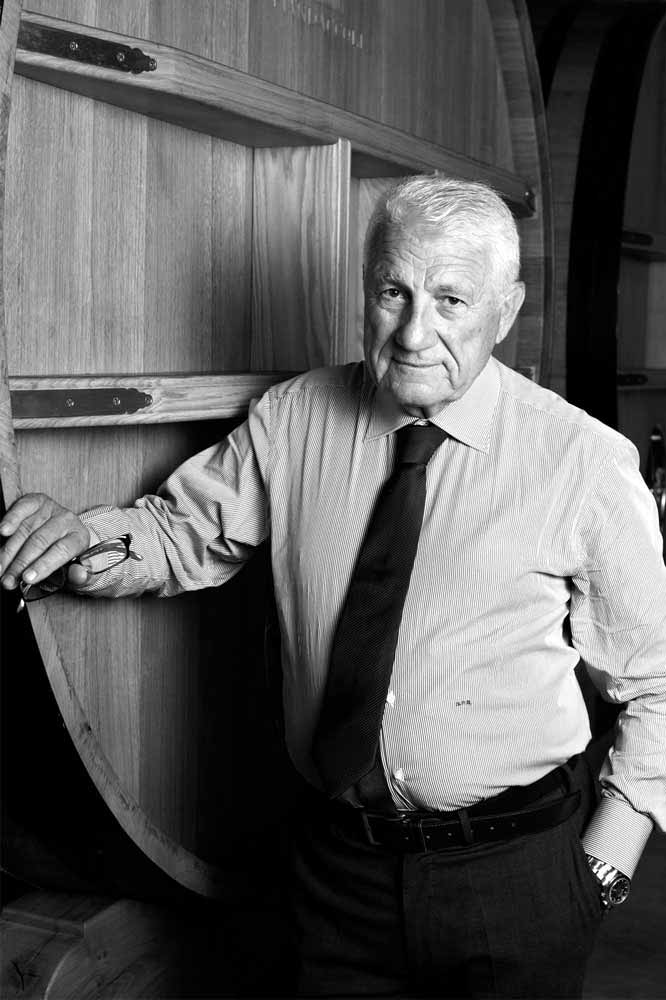
Piandaccoli
Nestled on the gentle hills just outside the medieval village of Malmantile in Tuscany, Piandaccoli is a winery where history and innovation come together to celebrate one of Italy’s most treasured wine regions. With roots that stretch back to the early Middle Ages—when the estate served as a resting place for pilgrims walking the Via Francigena—Piandaccoli has long been shaped by the land, its traditions, and the unique character of its vineyards. Today, Piandaccoli is led by Dr. Giampaolo Bruni, whose vision has transformed the estate into a sanctuary for both classic Tuscan Sangiovese and an extraordinary revival of rare indigenous varietals. Since taking over the family estate in 2004, Bruni has committed to a pioneering project to recover and cultivate the autochthonous vines that once flourished across Renaissance Tuscany—varieties like Foglia Tonda, Pugnitello, Barsaglina, and Mammolo that had nearly vanished after the phylloxera epidemic of the 19th century. Alongside its Chianti and Chianti Riserva, the estate produces a range of boutique bottlings that highlight these rare grapes—each bottle a testament to the estate’s dedication to biodiversity, historical respect and vinicultural excellence. More than a winery, Piandaccoli is a living link to Tuscany’s vinous heritage: a place where centuries-old traditions are honored, indigenous varieties are restored, and every vintage tells a story of passion, place and discovery.
View Wines
Pietro Caciorgna
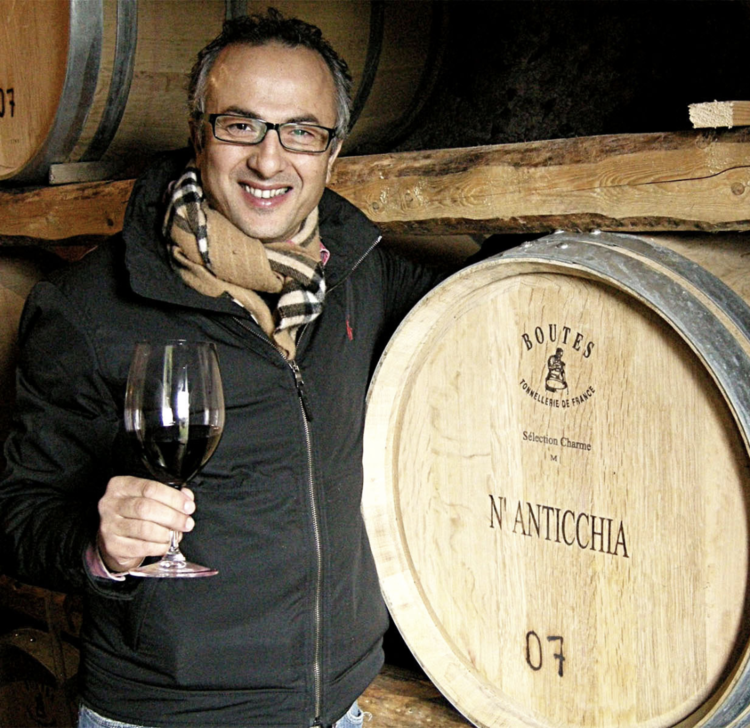
Pietro Caciorgna is a family-anchored wine estate spanning two of Italy’s most compelling wine regions — Tuscany’s rolling hills near Casole d’Elsa and the volcanic slopes of Mount Etna in Sicily. The story of the estate begins with a deep love for the land and a belief that great wine must first be nurtured in the vineyard. The Caciorgna family’s agricultural roots trace back to 1953, when Giovanni and Fulvia Caciorgna settled in the heart of Tuscany with their seven children and began farming the fertile hillside around Casole d’Elsa. Many years later, Pietro Caciorgna and his wife, Elda, transformed this heritage into a dedicated wine project, planting Sangiovese vineyards on the family’s hillside cru at Osteria delle Macchie and producing their first commercial vintage in the early 2000s. In 2006, the estate embarked on an exciting new chapter when it discovered the extraordinary terroir of Etna in eastern Sicily. Enchanted by the volcanic soils and dynamic growing conditions of the northern slopes, they acquired small parcels of Nerello Mascalese vineyards — some pre-phylloxera and planted in the traditional alberello method — and began crafting wines that reflect the distinct allure of this storied landscape. Today, Pietro Caciorgna produces expressive wines that celebrate the differences of these two remarkable Italian terroirs. In Tuscany, Sangiovese-based bottlings like Terre di Casole Sangiovese showcase bright fruit, balanced structure and a true sense of place. On Etna, the estate’s Etna Rosso DOC wines — including approachable everyday expressions like Guardoilvento and N’Anticchia — express the minerality, finesse and aromatic depth that distinguish volcanic viticulture. Across both regions, the Caciorgna philosophy remains consistent: wine rooted in terroir, made with care, and true to the environment that sustains it. Each bottle is a reflection of generational heritage, thoughtful cultivation and a lifelong pursuit of authentic Italian wine.
View Wines

Raineri
Raineri is a passionate and authentic wine producer grounded in tradition, terroir, and tireless craftsmanship. Founded in 2005 by three lifelong friends—Gianmatteo “Jimmy” Raineri, Fabrizio Giraudo, and Luciano Racca—the estate began with a humble production of Dolcetto from the celebrated Dogliani hillsides and quickly blossomed into a full-fledged winery known for its classic Piedmontese expressions. Raised among the vineyards that define this legendary region, the founders brought together generational knowledge, formal training and deep respect for local tradition to create wines that are both expressive of their origins and true to heritage. With early guidance from seasoned mentors and the steadfast support of their families, Raineri expanded its portfolio to include Barbera, Nebbiolo and Barolo from elite sites in Monforte d’Alba. Manual vineyard work and attentive barrel sampling are cornerstones of the Raineri approach, reflecting a philosophy shared with the master winemakers of the Langhe: respect every vine, honor every vintage, and let the unique character of the land shine through each bottle. Today, Raineri continues to craft wines that embody the soul of Piedmont—authentic, elegant, and unmistakably expressive of one of Italy’s most revered terroirs.
View Wines
Rascioni & Cecconello
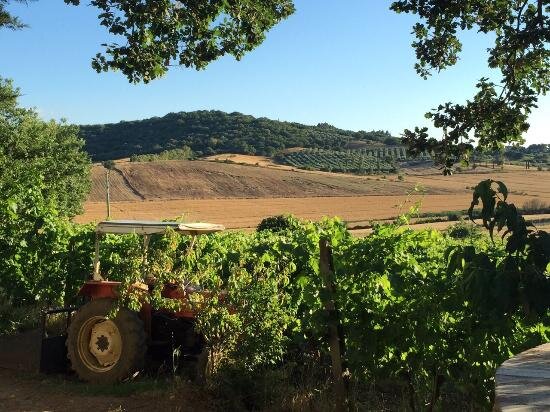
Rascioni & Cecconello is a family-run winery rooted in the enchanting landscape of Maremma Toscana, near Fonteblanda in Grosseto, Tuscany. Since its founding in 1973 by Vinicia Rascioni and Paolino Cecconello, the estate has stood out for its dedication to an authentic expression of place and a pioneering focus on Ciliegiolo, one of Tuscany’s historic yet once-overlooked indigenous grape varieties. Rascioni & Cecconello farms vineyards planted mainly to Ciliegiolo, with a thoughtful selection of Sangiovese and Vermentino. The estate’s soils — rich in rock and minerality — and the nearby maritime influence give the wines vibrant freshness, bright fruit character, and elegant structure. The heart of the winery is its commitment to showcasing pure varietal expression. Long before Ciliegiolo gained broader attention, Rascioni & Cecconello was among the first in Tuscany to vinify it as a single-varietal wine — a tribute to both tradition and terroir. Today the estate remains in the hands of the next generation: Sabrina Cecconello, her husband Paolo Papini, and their son Emanuele, who together guide vineyard care and winemaking with respect for heritage and a forward-looking spirit. Their wines celebrate a historic Tuscan variety with clarity and finesse, making them standout examples of regionally expressive, terroir-driven winemaking. At Rascioni & Cecconello, the passion for this native grape and the family’s hands-on approach result in wines that are soulful, approachable, and unmistakably rooted in the wild beauty of the Tuscan coast.
View Wines
Talosa
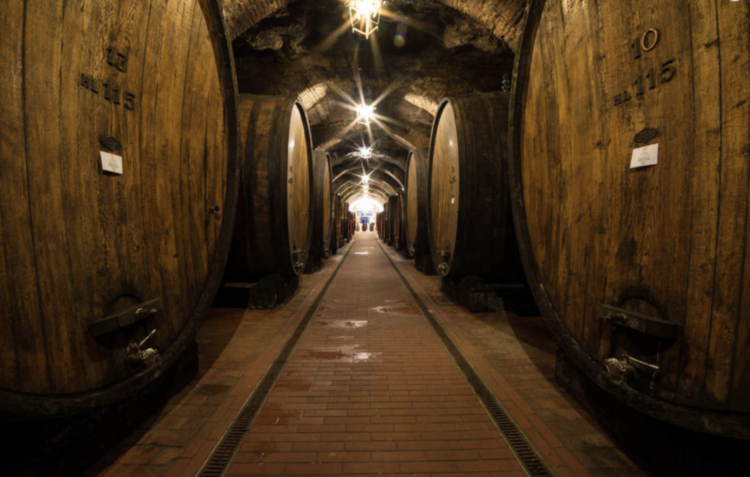
Talosa is a cherished producer in the famed wine region of Montepulciano, Tuscany, where centuries-old tradition meets meticulous vineyard care. Since 1972, the estate has been owned and guided by the Jacorossi family, whose commitment to quality has been key to elevating Vino Nobile di Montepulciano to international acclaim. Located among the rolling vineyards of Pietrose — one of Montepulciano’s most celebrated cru zones — vineyard work is hands-on, with careful attention to parcel selection and hand harvesting, ensuring that only the highest-quality fruit makes it into the cellar. At the heart of Talosa’s winemaking is respect for place and history. The estate’s historic aging cellars lie beneath the oldest quarters of Montepulciano, carved into the foundations of Palazzo Tarugi and Palazzo Sinatti — a setting that underscores the winery’s deep connection to the region’s cultural heritage. Talosa’s portfolio reflects both tradition and character: structured, elegant reds grounded in Sangiovese, along with expressive bottlings that showcase the unique qualities of Montepulciano’s terroir.
View Wines
Villa Parens
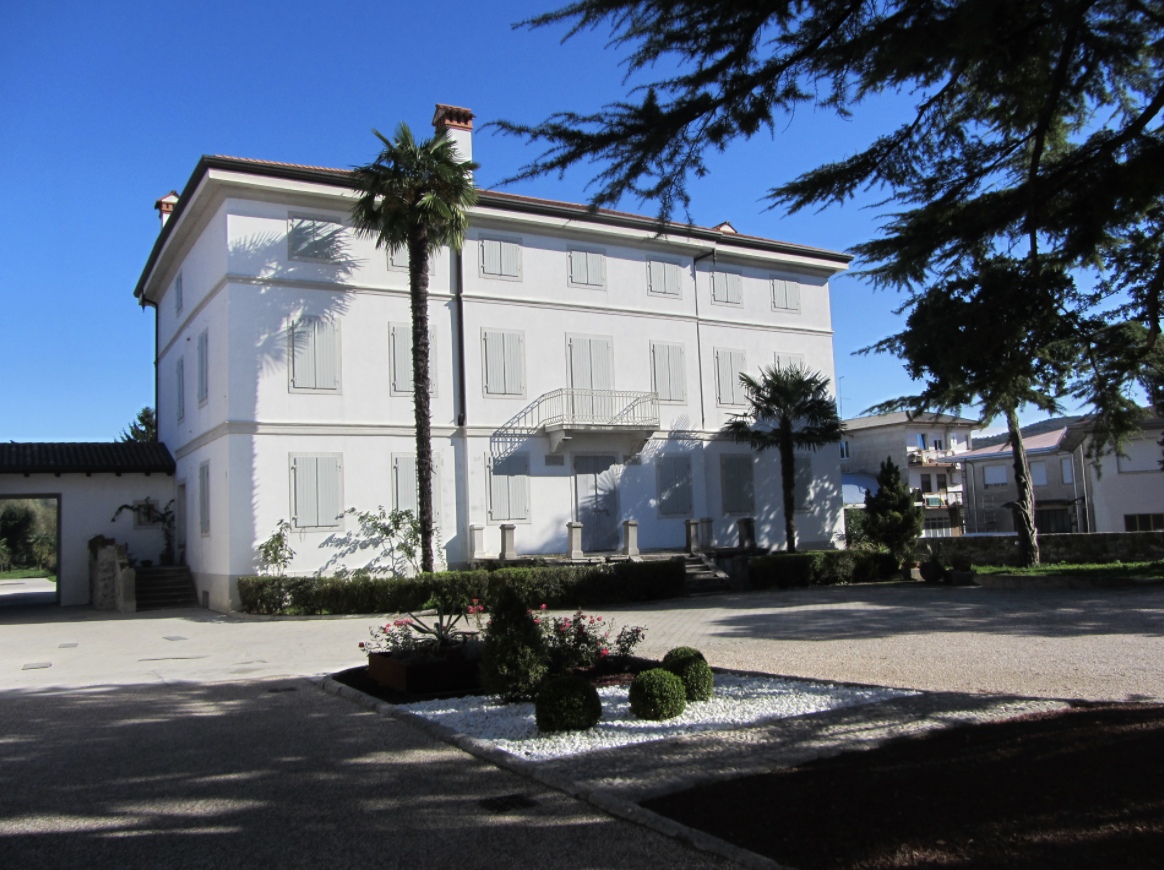
The Villa was built in 1860 and was utilized several armies in both World War I and World War II. In 1983-84 the restructuring of the cellars began, where the "Puiatti" brand was born. Today, Villa Parens is run by the second Puiatti generation, Giovanni and Elisabetta Puiatti.
View Wines